an Amsterdam based architecture studio
De Teunis
The former heavy-industry district of Buiksloterham is rapidly evolving into a mixed Amsterdam neighbourhood, while retaining the character of its raw production past. Sustainability ambitions are high; experimentation and innovation are embraced. Guided by our aim to create adaptive urban quarters that draw on the existing opportunities of the area, we designed De Teunis.
Project details
Client
AHAM VastgoedType
48 apartments, industrial production area, workspaces, café, offices, commercial space; 8.230m2Location
Papaverweg, Amsterdam, NLDesign-Completion
2021-ongoingPartners
Bot Bouw, Up4, Strackee, ABT, Hiensch EngineeringDesign team
Vincent van der Klei, Metin van Zijl, Albert Herder, Stijn de Jongh, Wouter Hermanns, Eva Souren, Stefanie Krietemeijer, Ania BozekImage credits
Proloog, Studioninedots
Transforming the city.
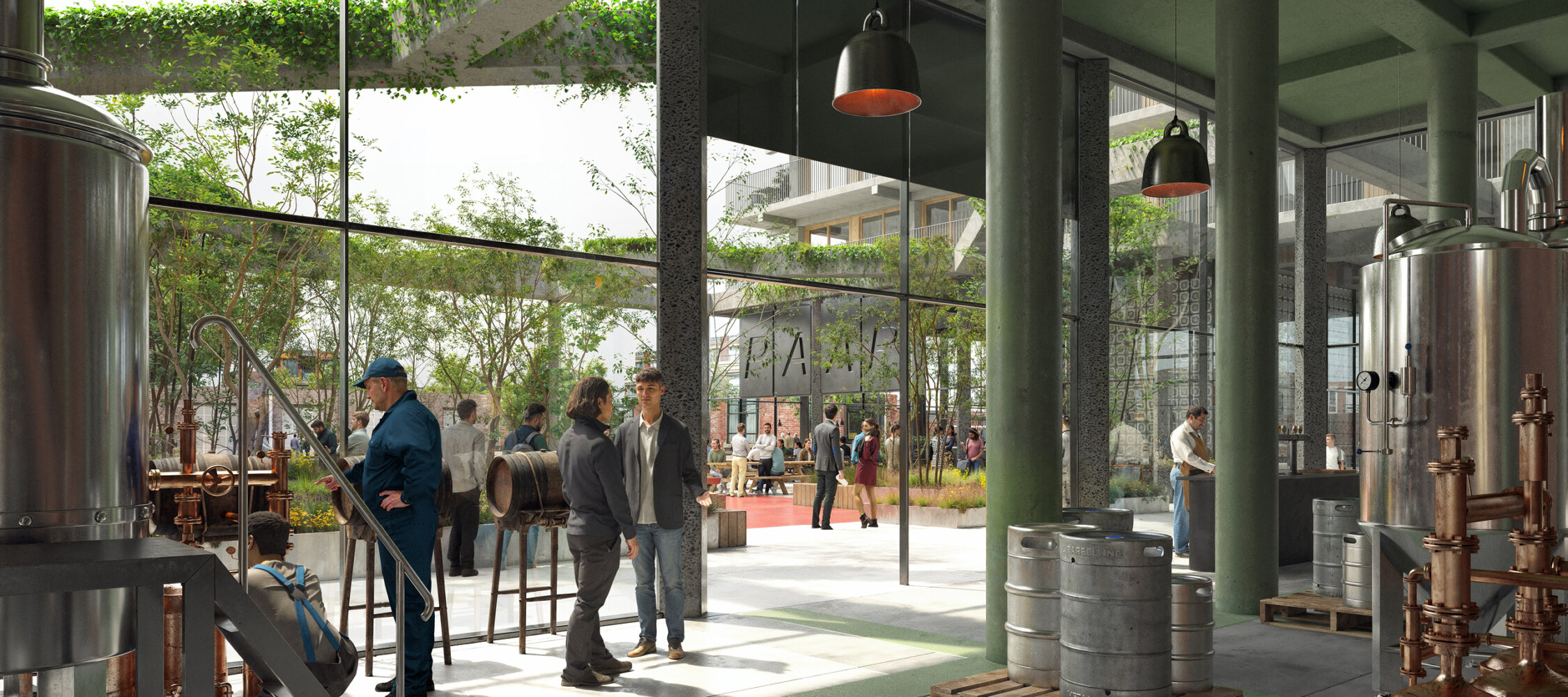
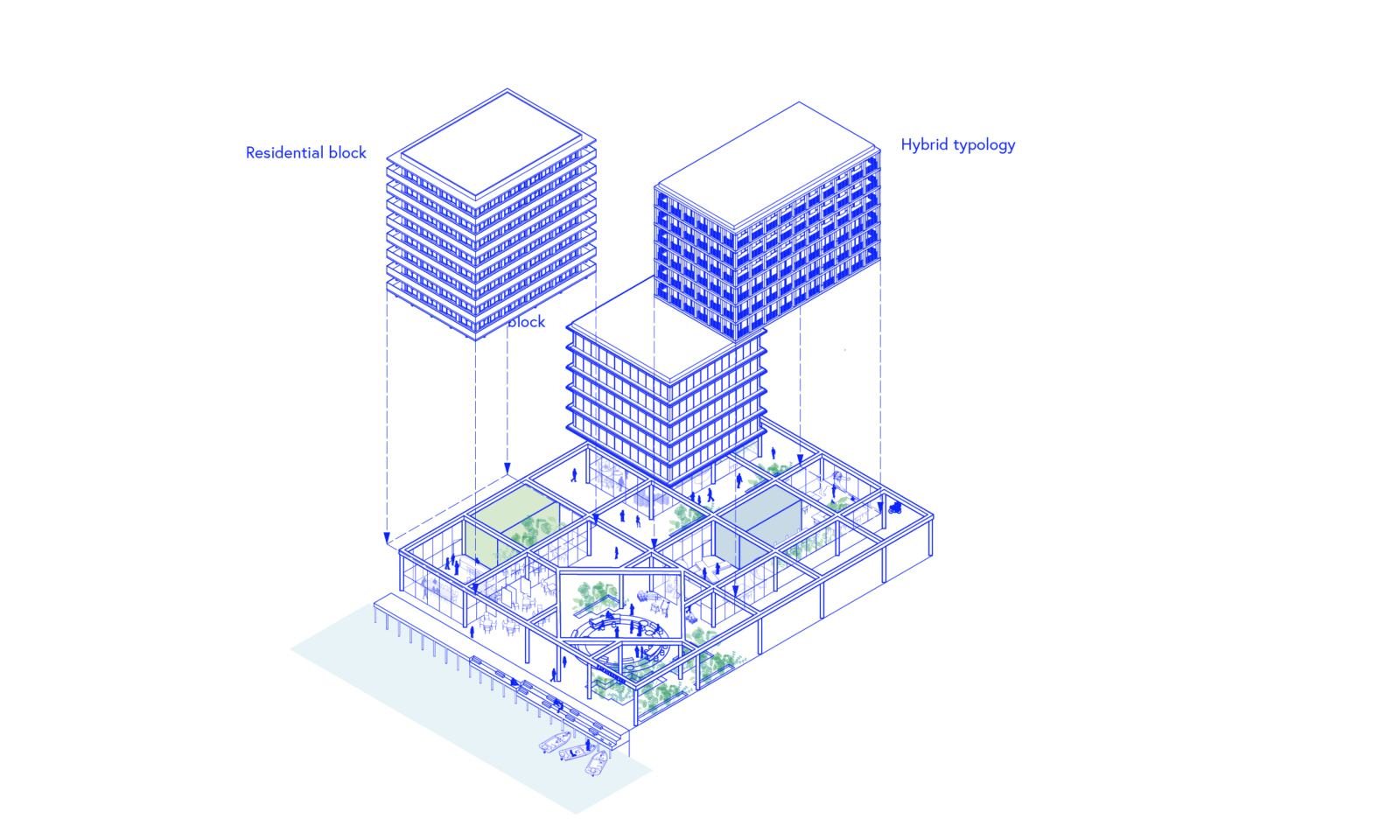
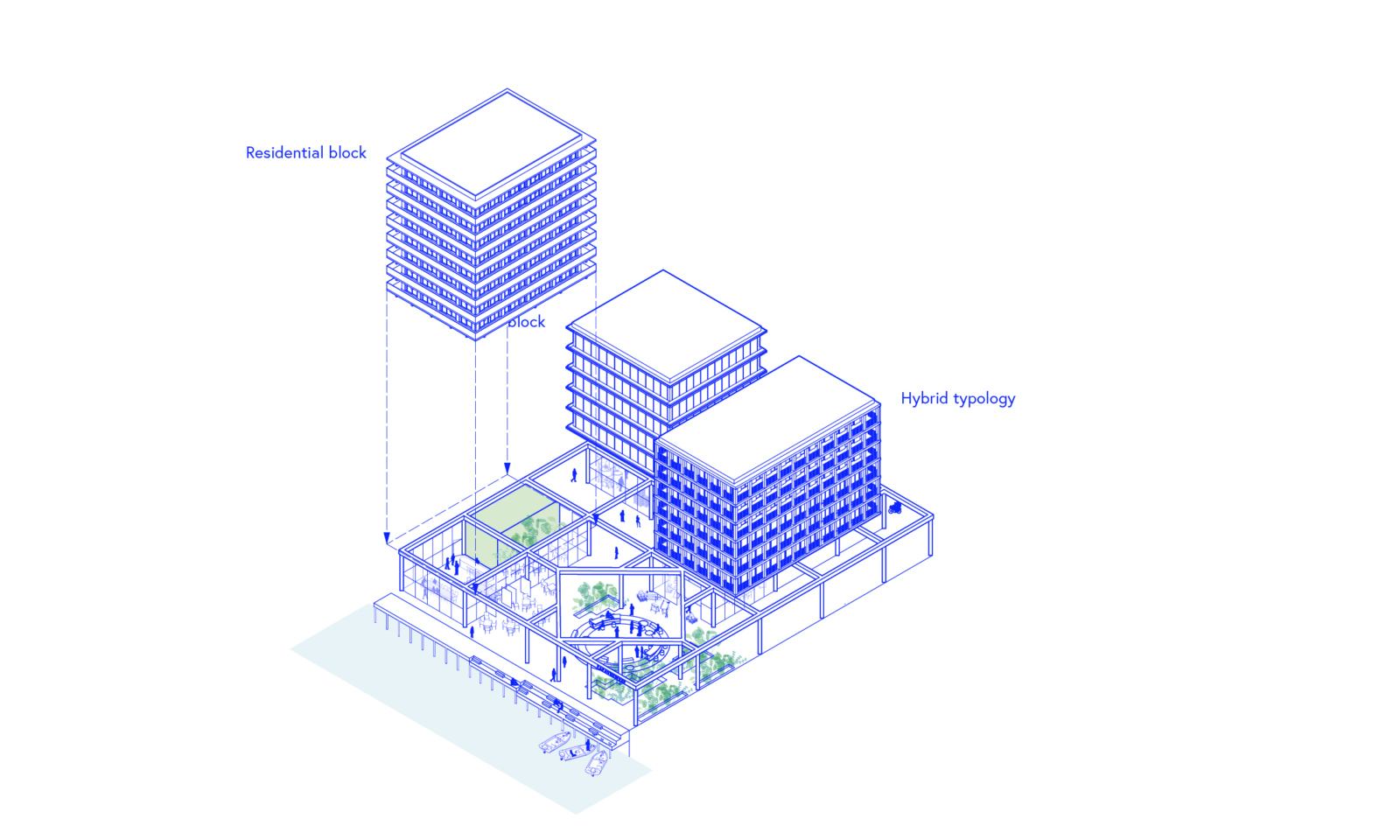
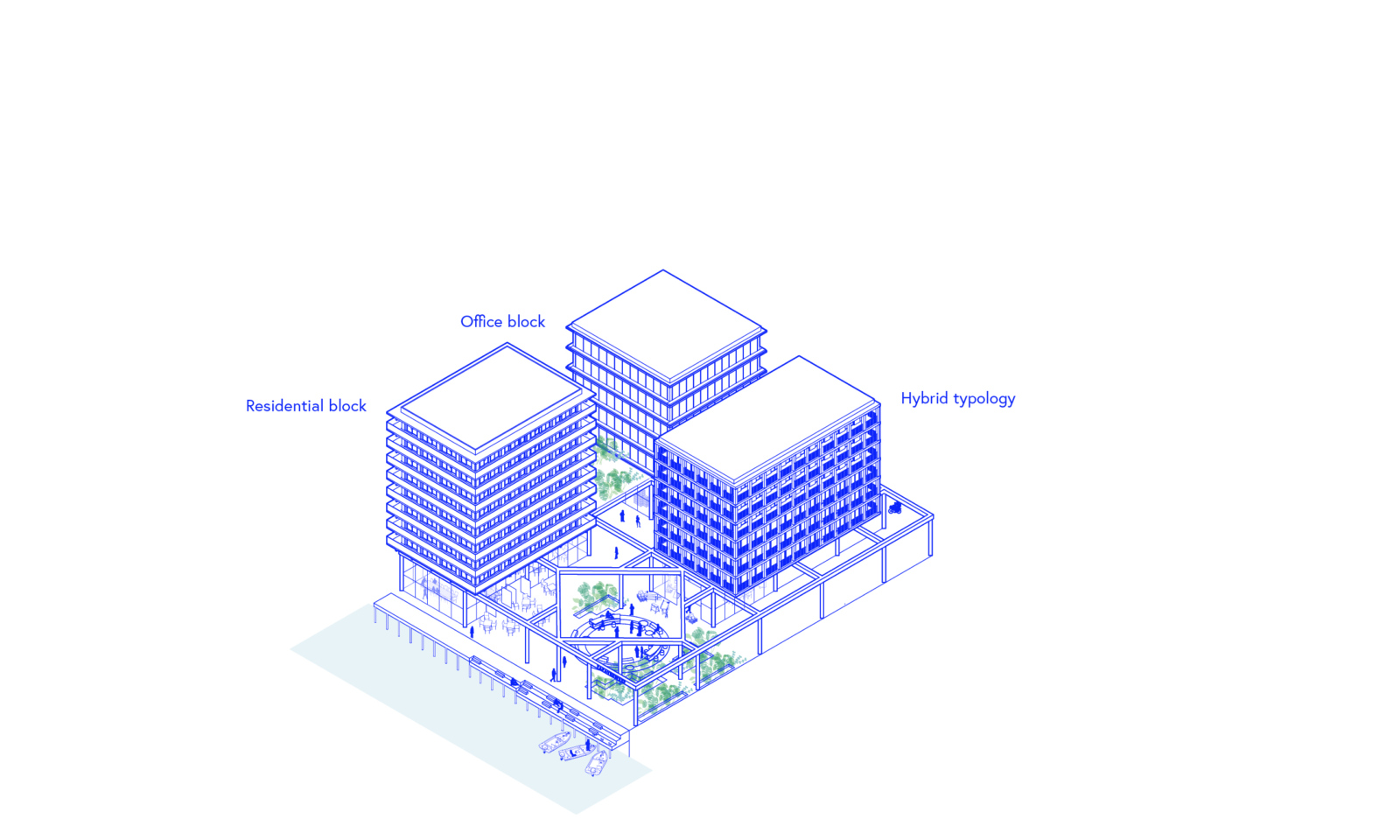
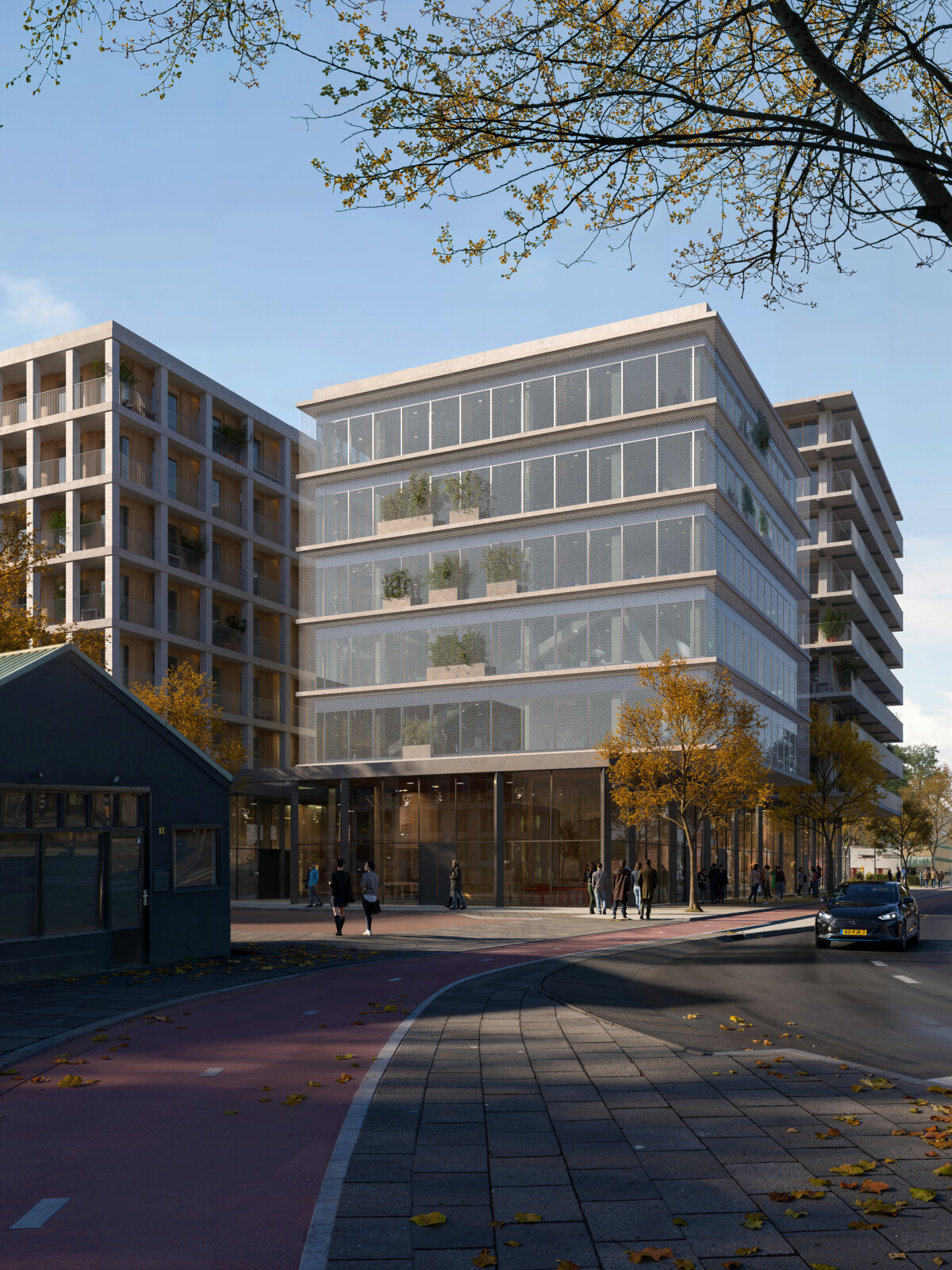
De Teunis brings together a highly mixed programme on a compact footprint: a neighbourhood café, industrial production spaces, workspaces, social and mid-range housing and offices. The plot sits close to the larger Cityplot Buiksloterham, one of the locations where our Cityplot concept unfolds. We explored how, on this smaller site along the Papaverweg, we could create a compact, flexible built environment composed of small-scale, mixed-use blocks.
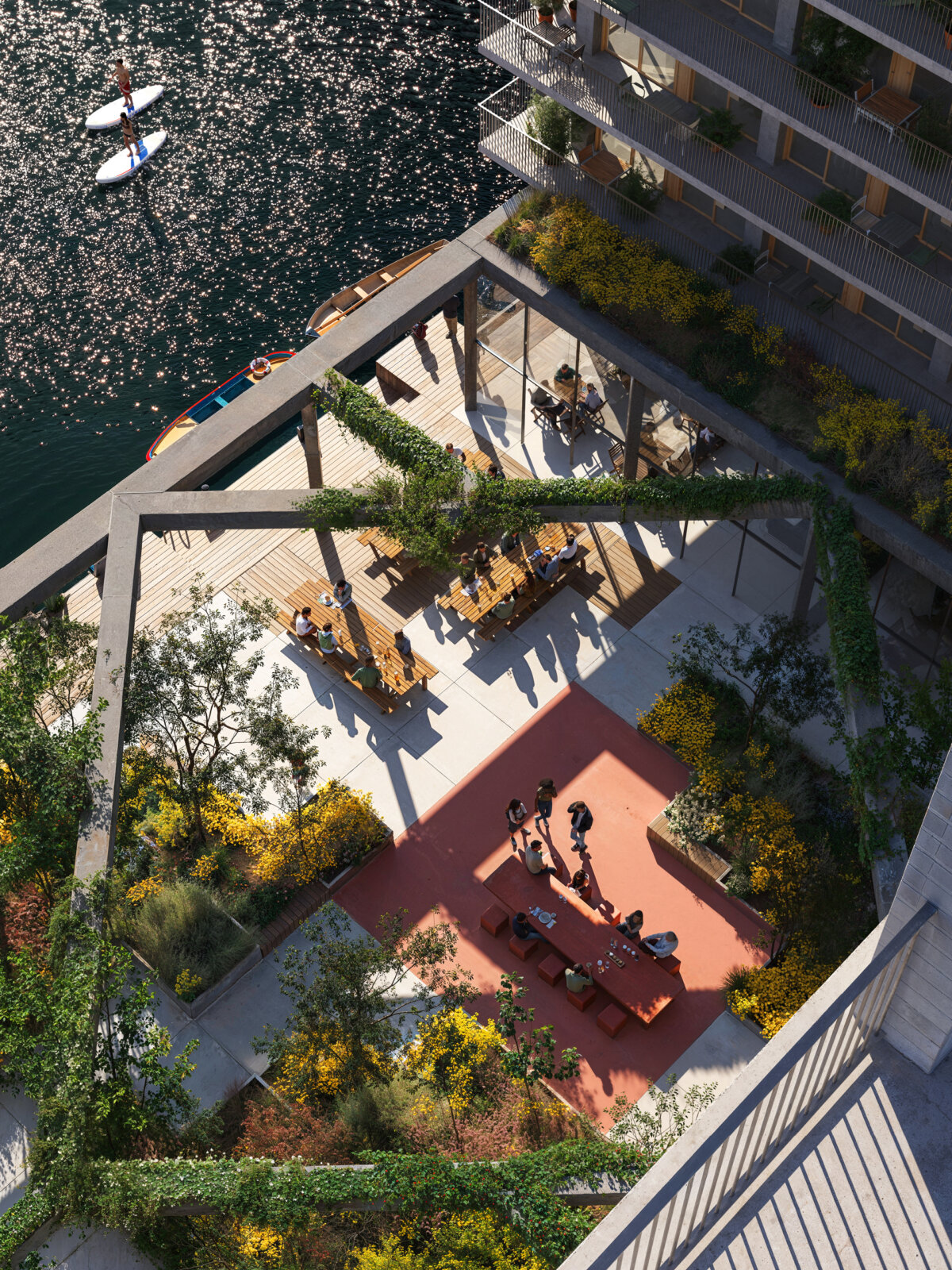
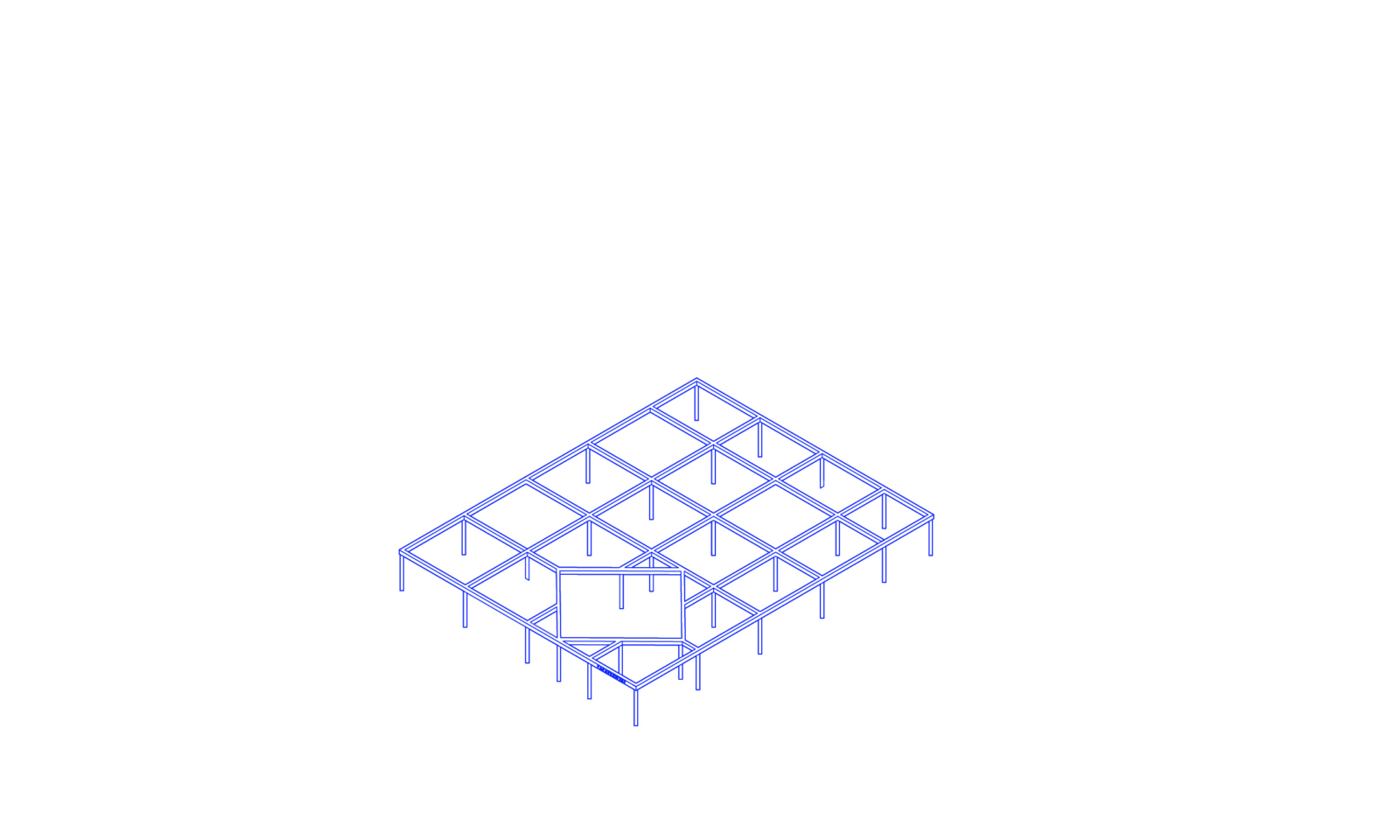
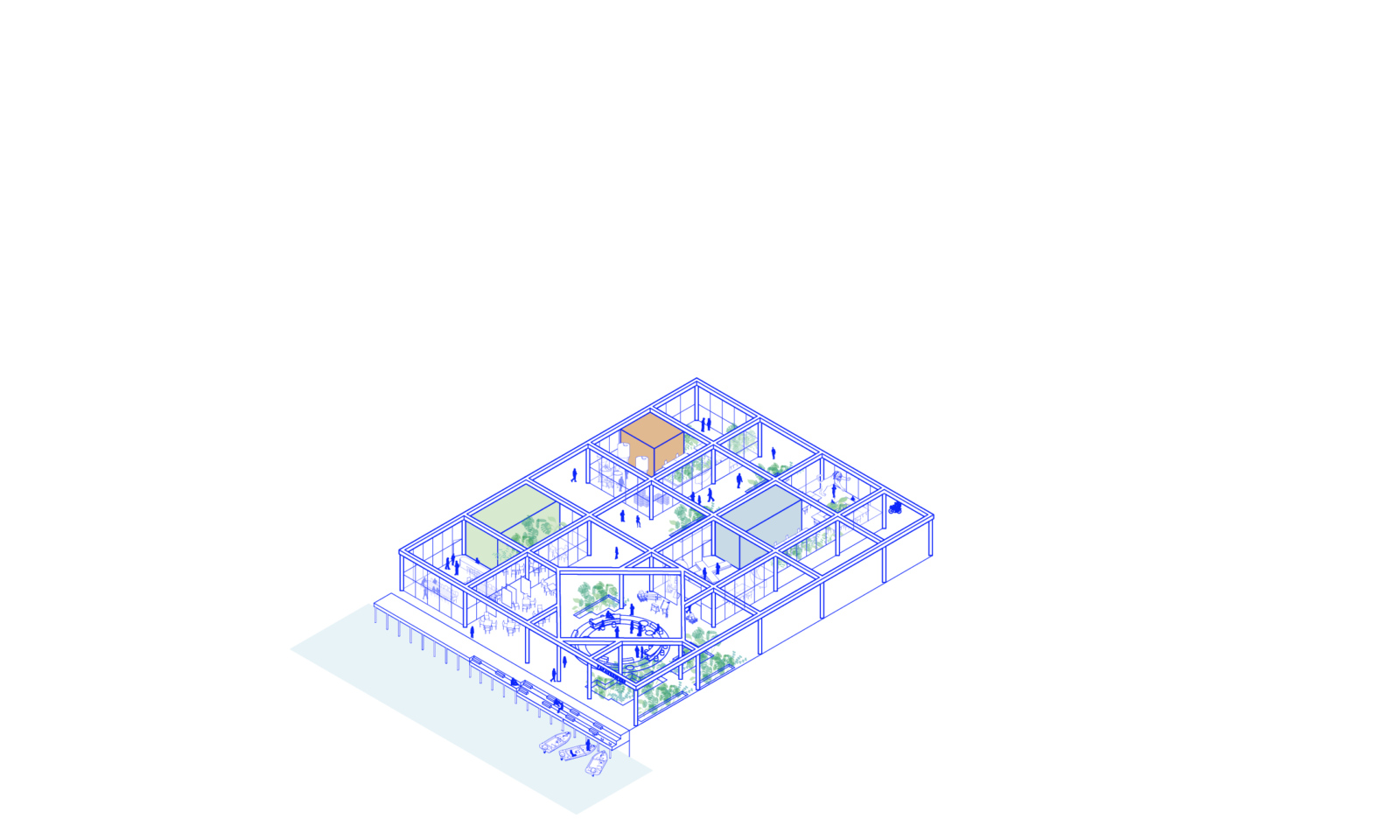
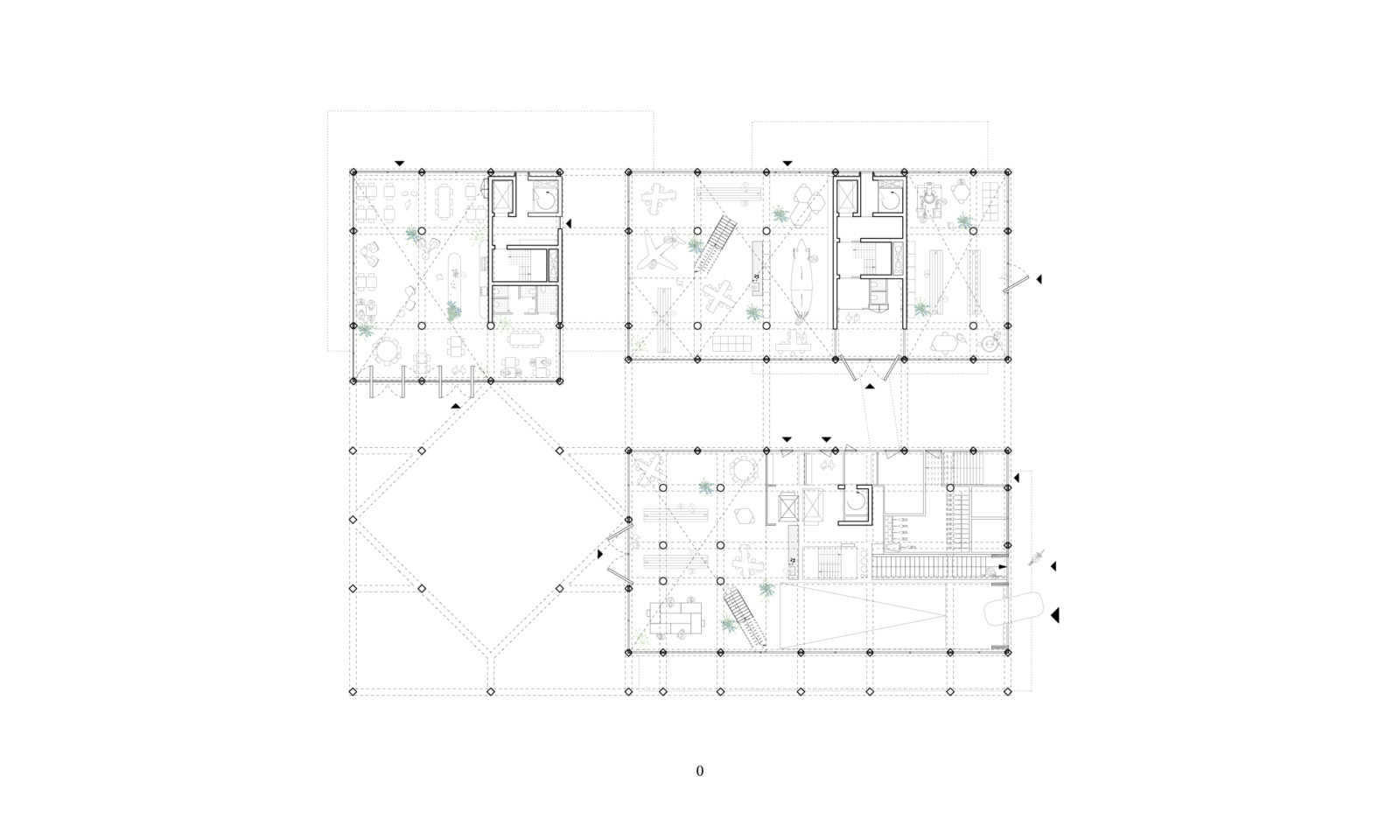
The architectural core element is the ‘Outline’: a six-metre-high concrete load-bearing structure that traces the contours of the entire plot and organises all the different volumes and functions. Beneath the structure, a freely adaptable world emerges — where inside and outside blend, and people can enjoy the sun and the water.
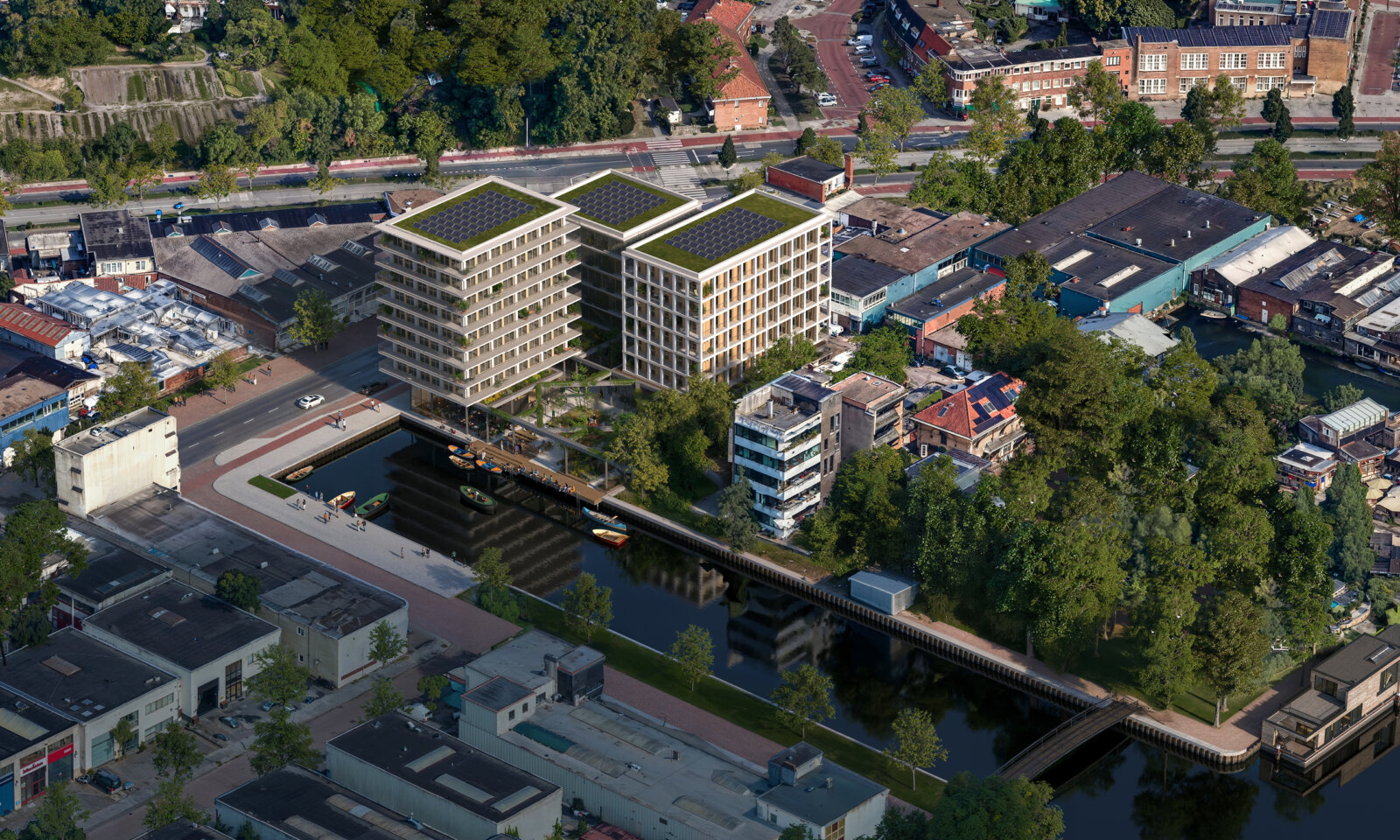
The Outline defines the building’s clear identity and its human scale, as well as its position within the urban fabric. A diamond shape within the structure marks an important spot by the water and invites users to make this place their own.
Mixed use, maximum vibrancy.
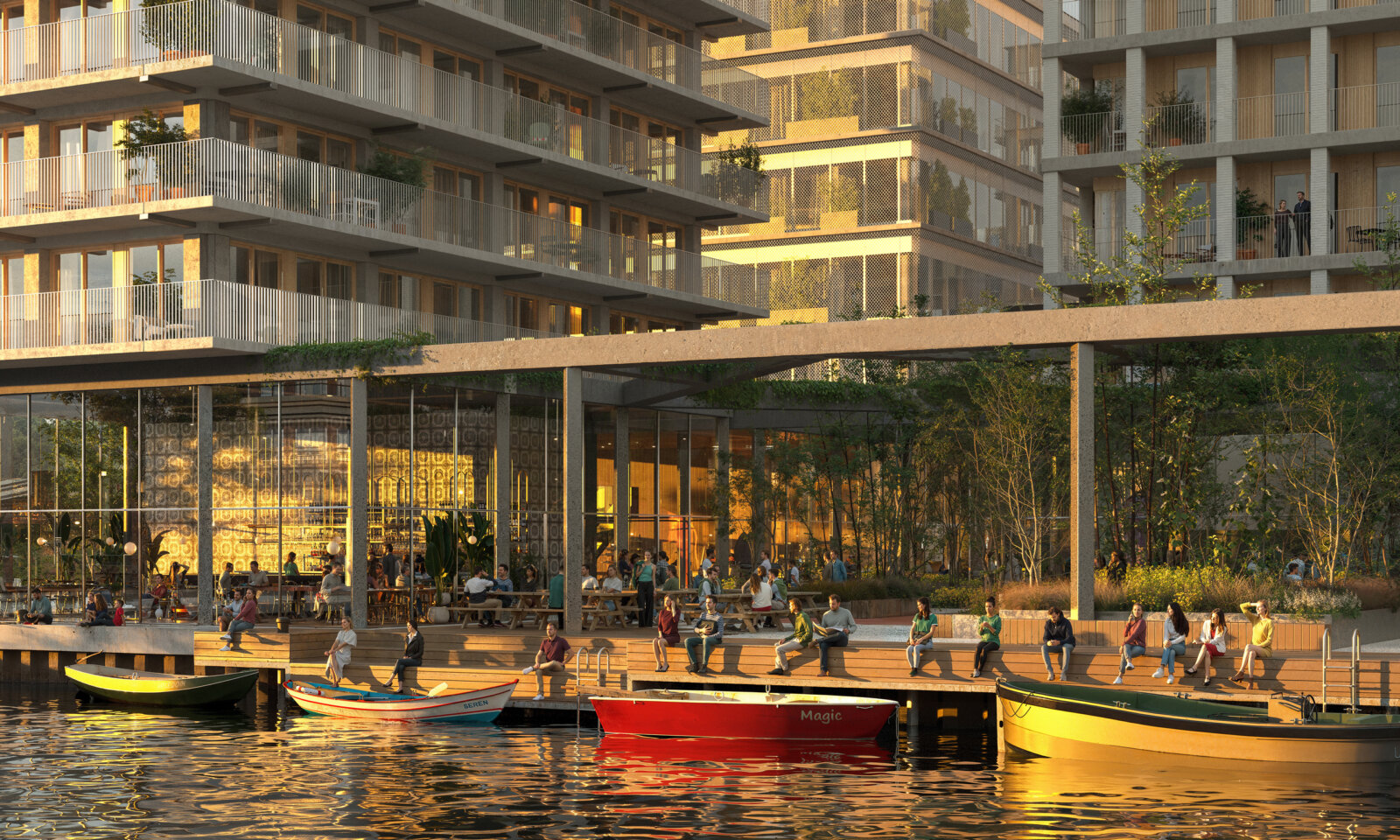
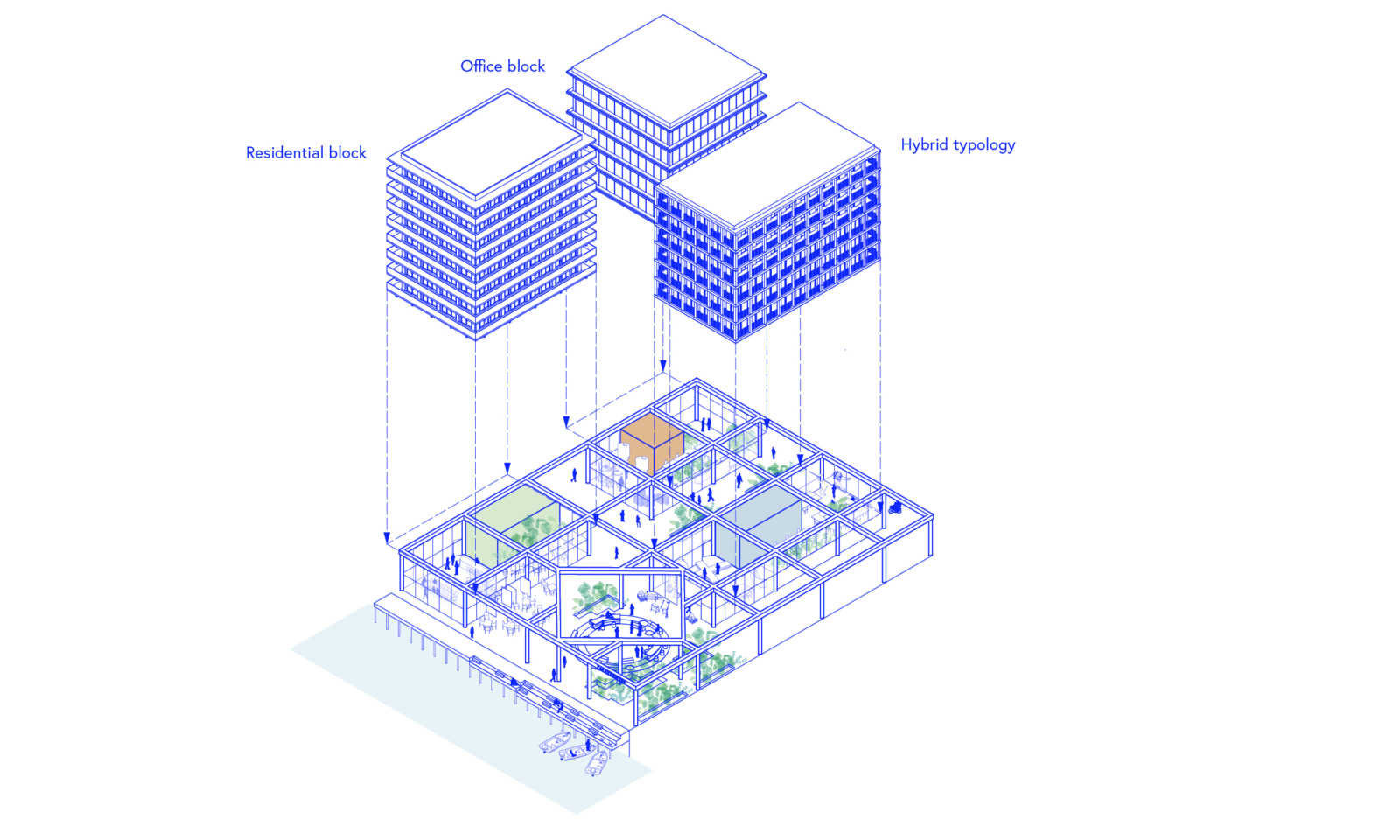
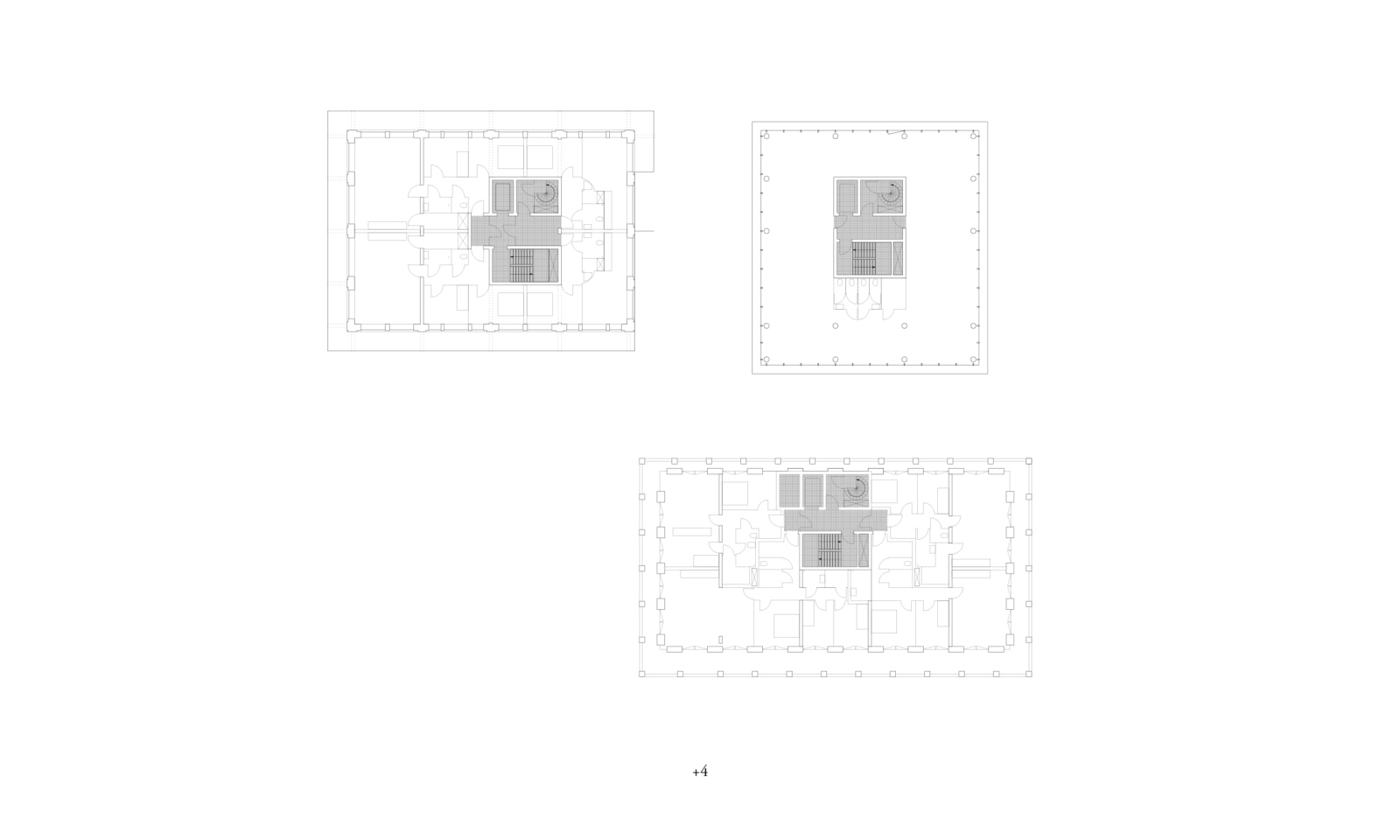
The Outline’s concrete frame incorporates both industrial production spaces and hospitality. Resting atop the structure are three independent volumes arranged in a highly dense composition (FSI 3.5): a residential block, an office block and a hybrid typology. Each volume is strategically oriented and responds to its urban surroundings.
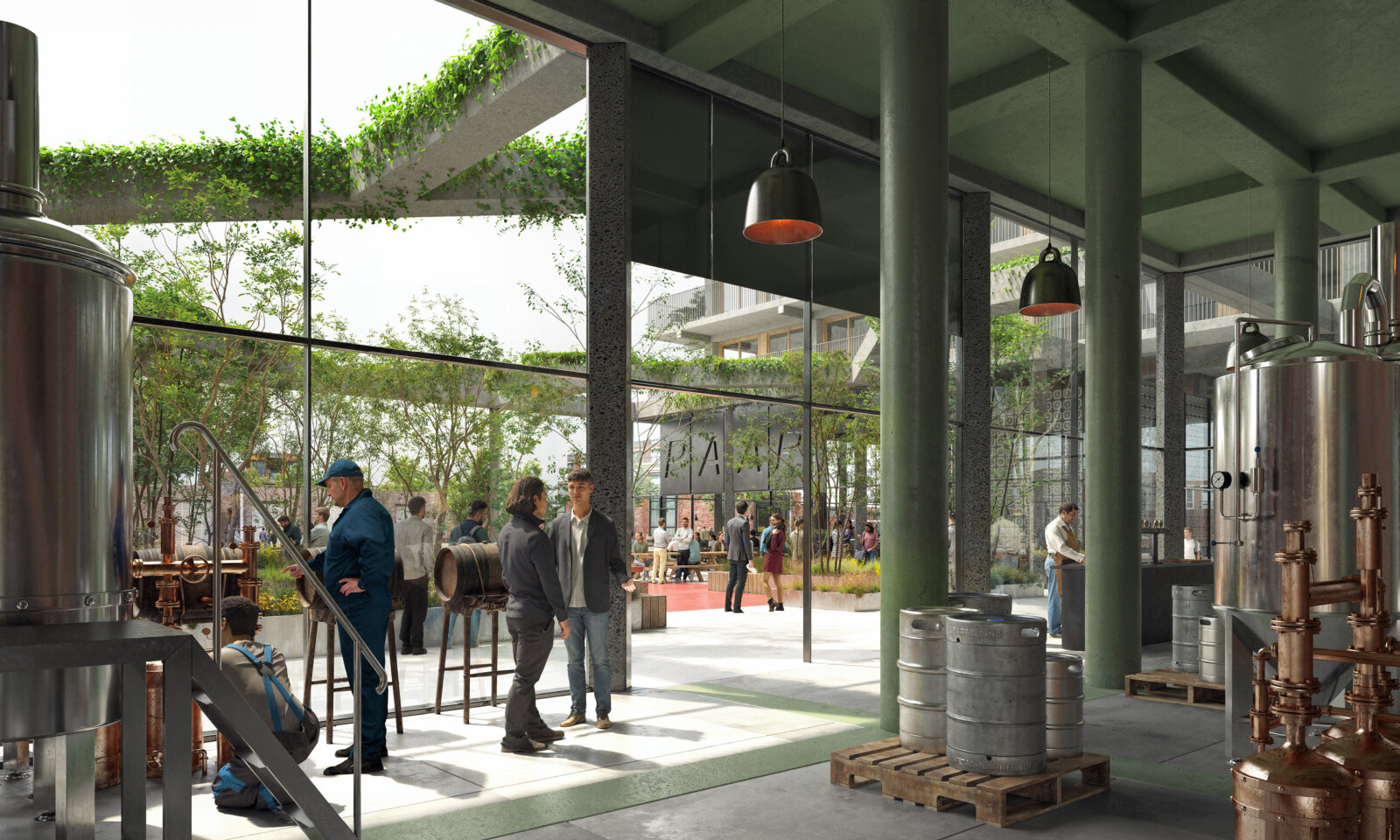
Sustainable and experimental.
De Teunis is designed to give tangible form to the ambitions of the ‘Circular Buiksloterham’ manifesto, on which Studioninedots collaborated with DELVA and Metabolic. The project closely aligns with our belief that architectural and physical interventions can reduce reliance on mechanical systems. Floors extend into the facades, acting as canopies that prevent overheating in the interior spaces.
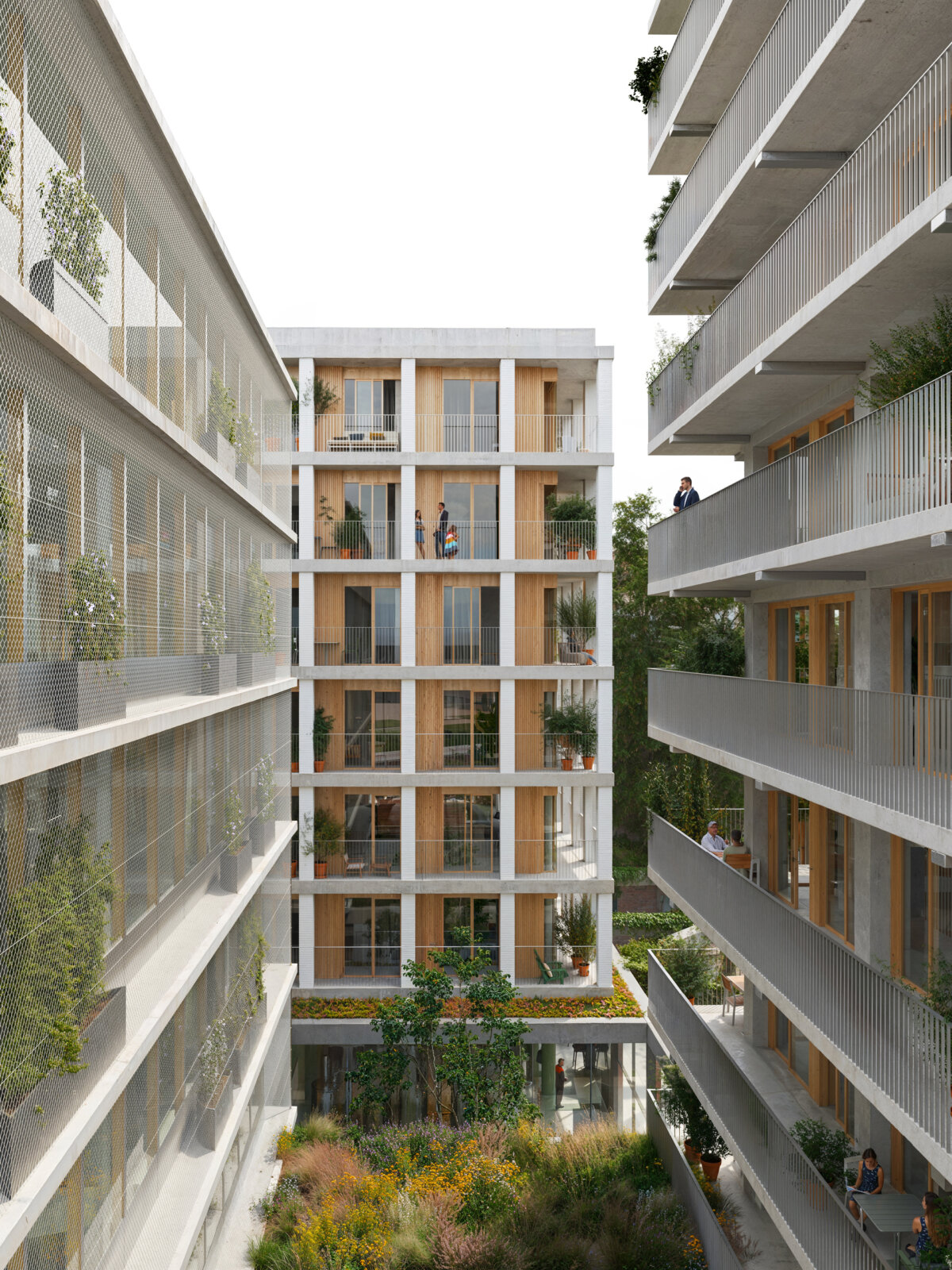
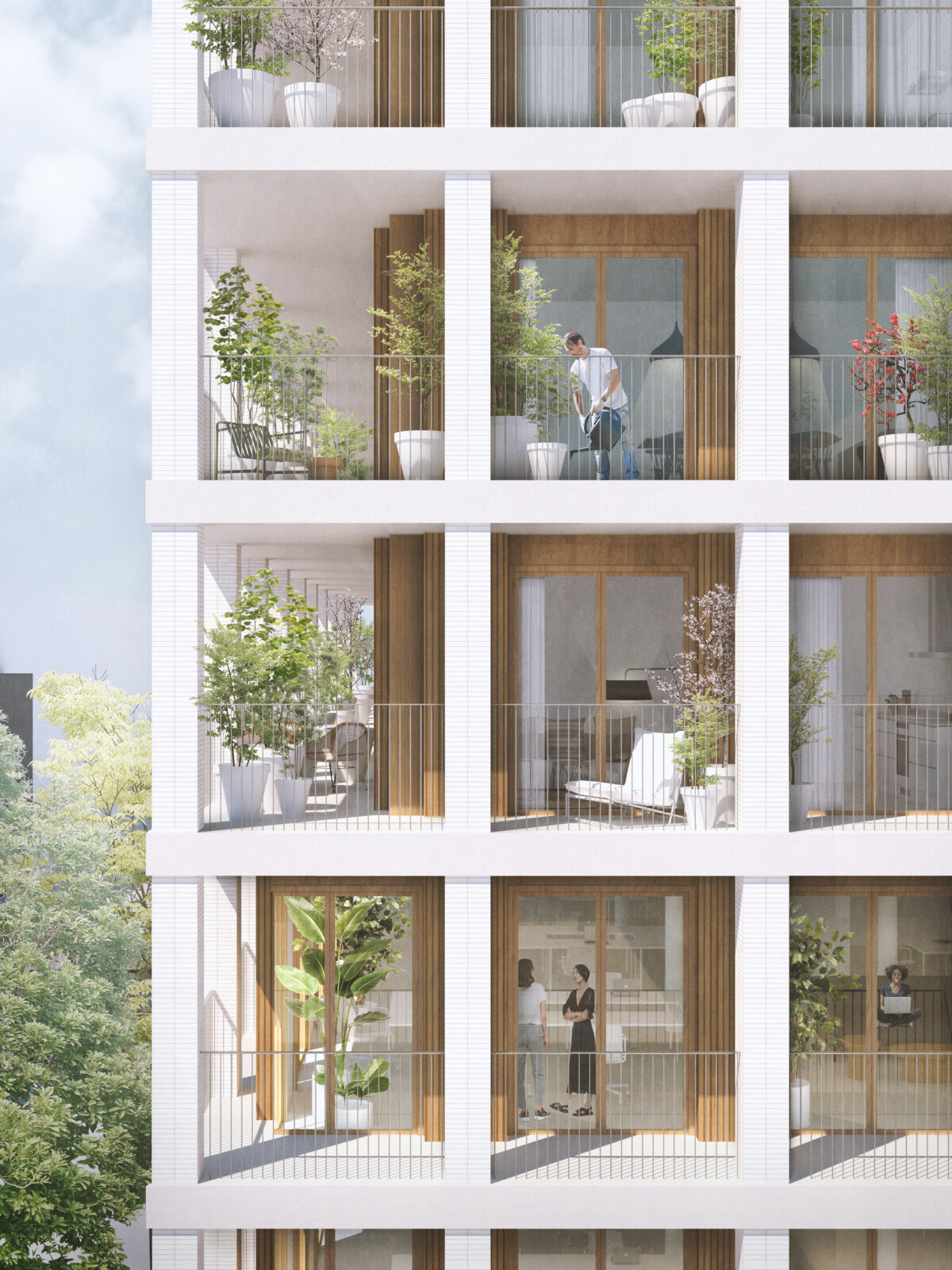
The building is constructed as far as possible from recyclable or bio-based materials. The warm wooden finish of the exterior spaces is protected by canopies. The window frames and curtain wall construction inside are made with certified FSC wood. All concrete elements consist largely of recycled materials.
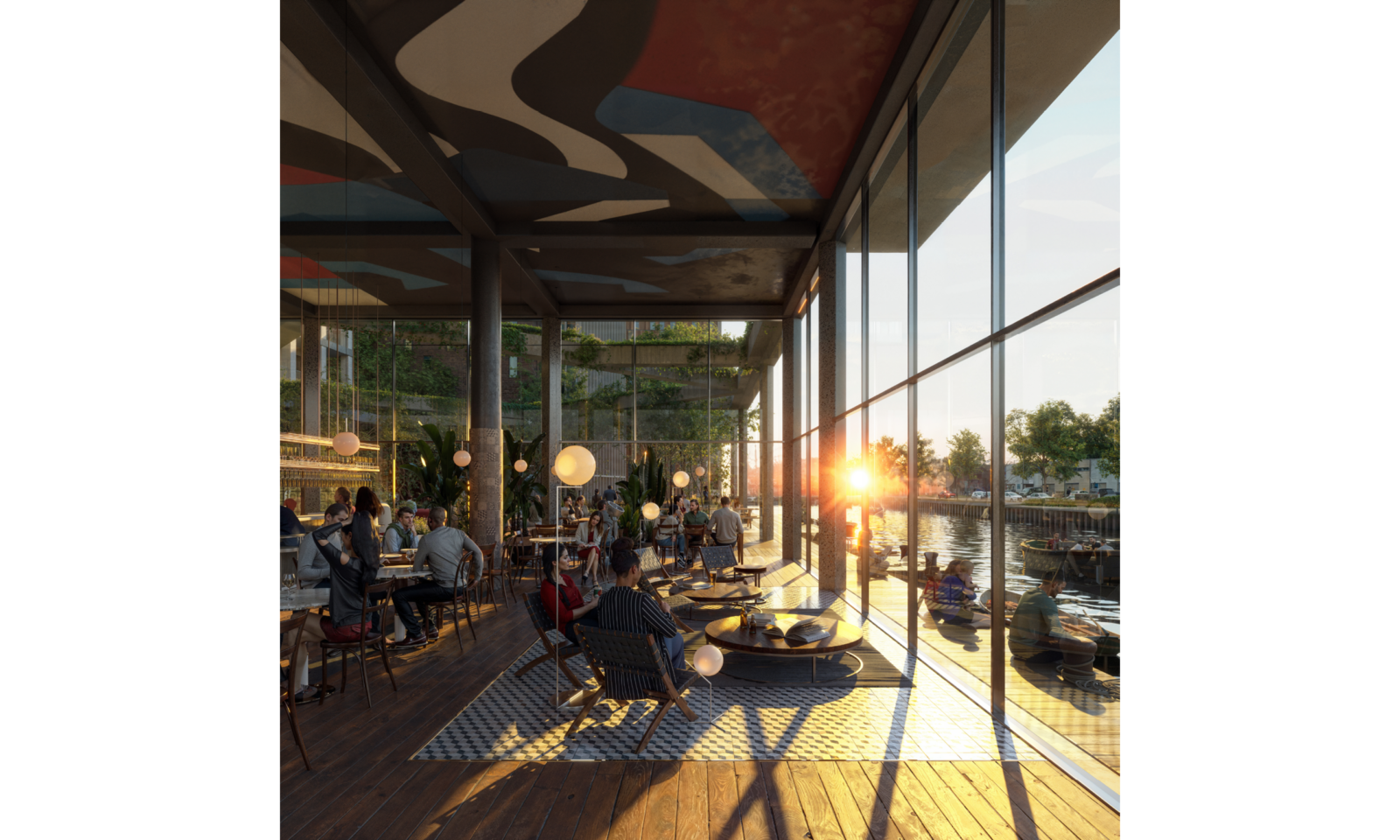
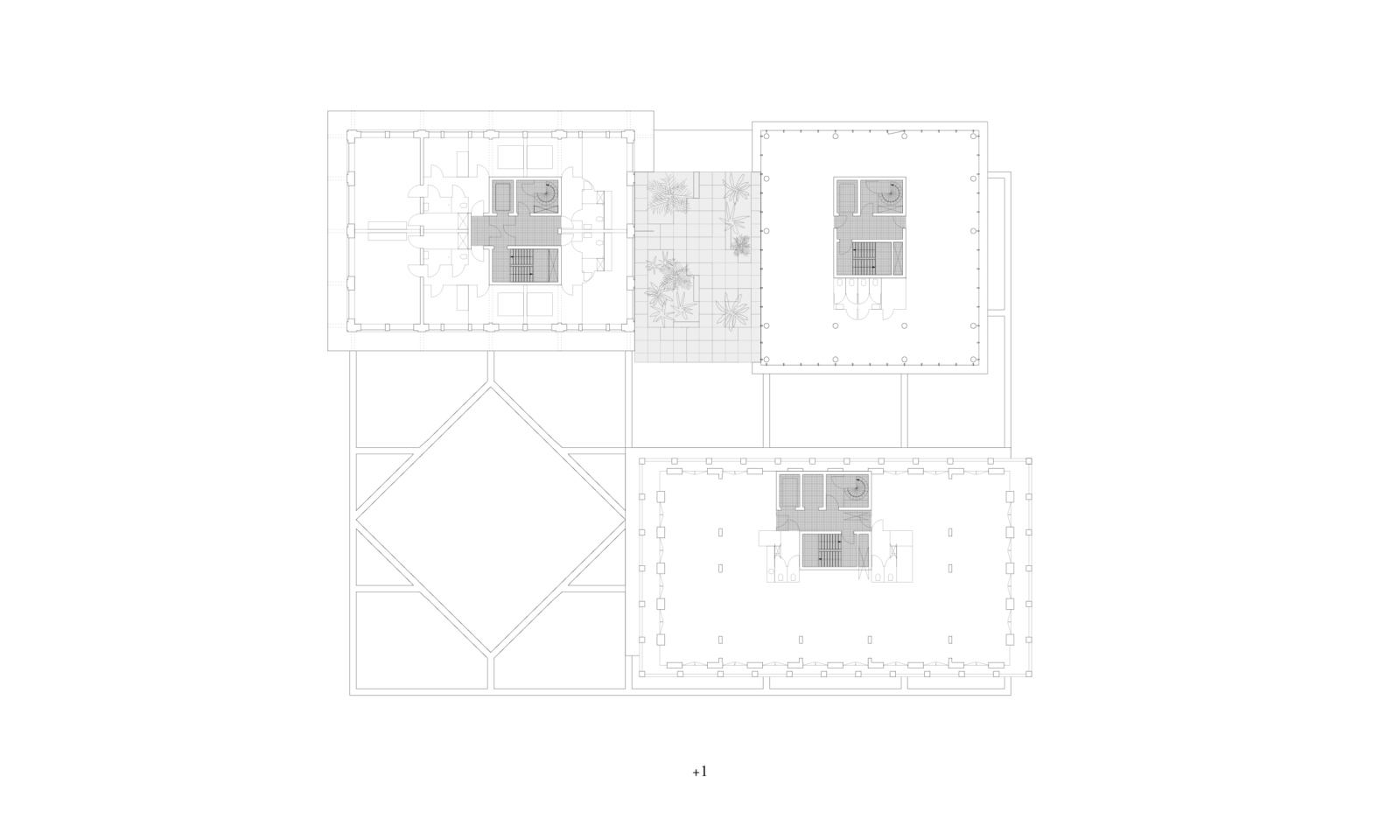
To reduce heat stress and maximise water retention, 40% of the site is covered with surface vegetation, arranged in green pockets across the plot. A roof terrace between the office and residential buildings serves as a green buffer above the northern plinth and is visible from Papaverweg.
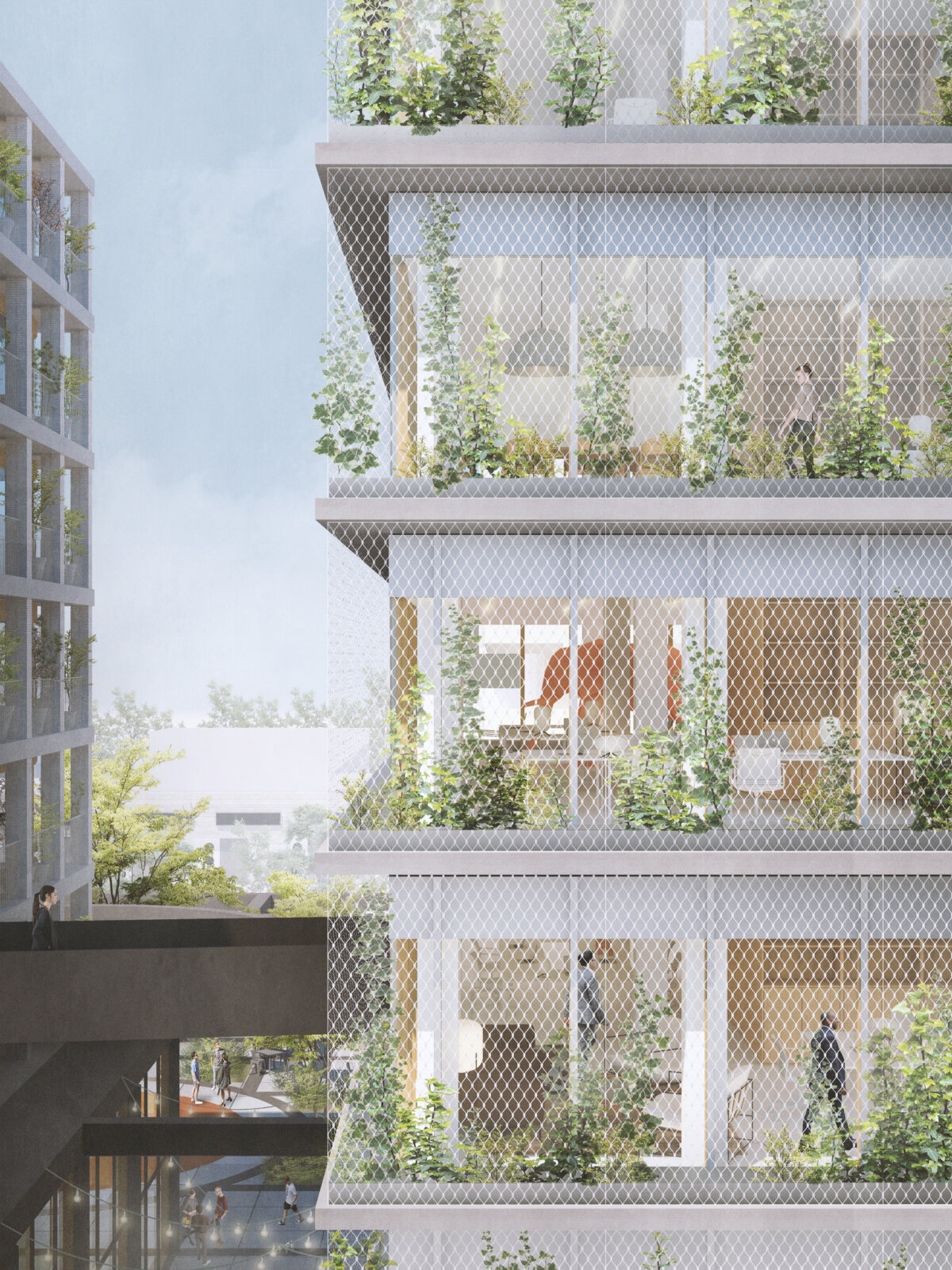
The office building features a glazed facade with climbing plants growing vertically along designated sections — filtering daylight, creating pleasant workspaces, softening interior lighting, and ensuring a constantly living, gentle facade expression.
Related content
Cityplot Buiksloterham
A pioneering, new urban district built on sustainability and collaboration, is now coming to life.
C14
Designed as a tilted warehouse, C14 not only reflects the area’s industrial history, but symbolises Cityplot Buiksloterham, where all buildings, public space and landscape work together as one sustainable system.
360 Degrees
Along the IJ river lies a new landmark for Amsterdam Buiksloterham, crafted with over 152 tonnes of construction waste.
↑ Back to top